Copyright Infringement Penalties Singapore What Businesses Should Expect
Learn about copyright infringement penalties in Singapore, including civil remedies, criminal liability, damages, injunctions, and what businesses should do when facing copyright risks.

Hannah Poh
Corporate Lawyer

Copyright Infringement Penalties Singapore What Businesses Should Expect
Copyright infringement can create serious legal, financial, and reputational consequences for businesses in Singapore. In today’s digital environment, infringement can happen quickly through copied website content, unauthorised images, AI-generated materials, social media reposts, videos, software, presentations, training materials, and digital marketing assets.
Many businesses assume copyright issues only affect large media companies, artists, publishers, or entertainment brands. In reality, any business that creates, uses, shares, publishes, or distributes content can be exposed to copyright risks.
For Singapore businesses, copyright infringement is not just a legal problem. It can affect brand trust, customer confidence, commercial relationships, digital campaigns, and long-term business reputation.
This guide explains what copyright infringement means in Singapore, what penalties may apply, and what businesses should do to reduce risk.
What is Copyright Infringement in Singapore
Copyright infringement generally occurs when a person uses copyrighted material without permission from the copyright owner, unless a legal exception applies.
This may include:
Copying a protected work
Publishing copyrighted material online
Using images without permission
Distributing unauthorised copies
Using software without proper licensing
Reproducing videos, music, artwork, or written content
Adapting or modifying protected works without authorisation
IPOS explains that copyright infringement may occur when someone uses a copyright owner’s work without permission and that enforcement may involve civil remedies and, in certain situations, criminal liability.
If your business deals with copyright advisory and digital rights management in Singapore it is important to understand how infringement risks arise before content is published or commercialised.
Why Copyright Infringement Matters for Businesses
Copyright infringement can affect businesses in several ways.
A business may face:
Legal claims
Payment demands
Court proceedings
Injunctions
Damages
Takedown notices
Reputational harm
Loss of trust from clients or partners
In some cases, infringement may also result in criminal liability, particularly where infringing copies are commercially exploited. IPOS states that criminal liability can arise for wilful infringement in specific situations involving infringing copies and commercial conduct.
For businesses that rely heavily on digital marketing, content creation, branding, and online visibility, copyright compliance should be part of a broader intellectual property strategy.
Civil Liability for Copyright Infringement
Most copyright disputes begin as civil matters. This means the copyright owner may take legal action against the alleged infringer.
Civil remedies may include:
Damages
Account of profits
Injunctions
Delivery up or disposal of infringing copies
Legal costs
A copyright owner may seek compensation if their work has been used without permission. The purpose of civil remedies is generally to address the harm caused by the infringement and stop further unauthorised use.
For businesses, civil liability can be serious even if there is no criminal prosecution.
What Are Damages in Copyright Infringement Cases
Damages are monetary compensation awarded to the copyright owner.
The amount may depend on factors such as:
The nature of the copyrighted work
The extent of copying
The commercial impact
Whether the infringement was deliberate
Whether the infringer profited from the use
The harm caused to the copyright owner
For example, a business that uses an image without permission in a paid advertising campaign may face a different risk profile from an individual sharing a small excerpt for private purposes.
Injunctions and Takedown Orders
A copyright owner may also seek an injunction.
An injunction is a court order that may require the infringing party to stop using the copyrighted material.
For businesses, this can be disruptive.
An injunction may require a business to remove:
Website content
Social media posts
Advertisements
Marketing campaigns
Digital products
Training materials
Videos or images
This can affect live campaigns, brand launches, e-commerce listings, and commercial operations.
Account of Profits
In some cases, a copyright owner may seek an account of profits. This means the alleged infringer may be required to give up profits made from the infringement.
This can be especially relevant where copyrighted material was used in a commercial product, campaign, paid course, software product, or media asset.
For businesses, this risk is important because infringement may affect revenue, not just legal costs.
Criminal Liability for Copyright Infringement
Copyright infringement may become a criminal issue in certain circumstances.
IPOS states that criminal liability may apply for wilful infringement involving commercial dealings with infringing copies, such as manufacturing for sale, selling, importing, possessing, or distributing infringing copies for commercial purposes, where the relevant knowledge requirement is met.
This means criminal liability is not usually about every minor or accidental copyright mistake. It is more commonly associated with deliberate or commercial infringement.
Examples may include:
Selling pirated materials
Distributing infringing copies commercially
Importing infringing copies for commercial use
Possessing infringing copies for commercial purposes
Operating services or systems built around unauthorised content
What Are the Criminal Penalties
The penalties depend on the specific offence and facts.
IPOS states that for wilful infringement involving manufacturing infringing copies for sale, penalties may include a fine of up to a total of $100,000 per charge and/or imprisonment.
A 2026 Singapore copyright law report also notes that certain offences may involve fines calculated by article, or imprisonment for individuals, depending on the offence category and circumstances.
Businesses should not treat copyright infringement as a low-risk administrative issue, especially where commercial exploitation is involved.
Copyright Infringement in Online Content
Many modern copyright disputes arise online.
Businesses may face copyright issues when using:
Images from Google
Photos from social media
Screenshots from articles
Video clips
Music tracks
Website copy
Blog content
Infographics
AI-generated content based on existing works
Online content is not automatically free to use. IPOS explains that copyright protection applies to creative works and that permission is generally required unless an exception applies.
For businesses managing online content and digital assets, read how copyright works in Singapore
Copyright Risks in Social Media and Online Reviews
Copyright risks can also arise in social media, reposting, screenshots, reviews, and online commentary.
For example, a business may face risk if it:
Uses another person’s photo in a promotional post
Copies review screenshots without considering rights
Reposts third-party content for commercial marketing
Uses images or videos from news articles
Copies competitor content into its own website or ads
This connects closely with business reputation and online communication risks.
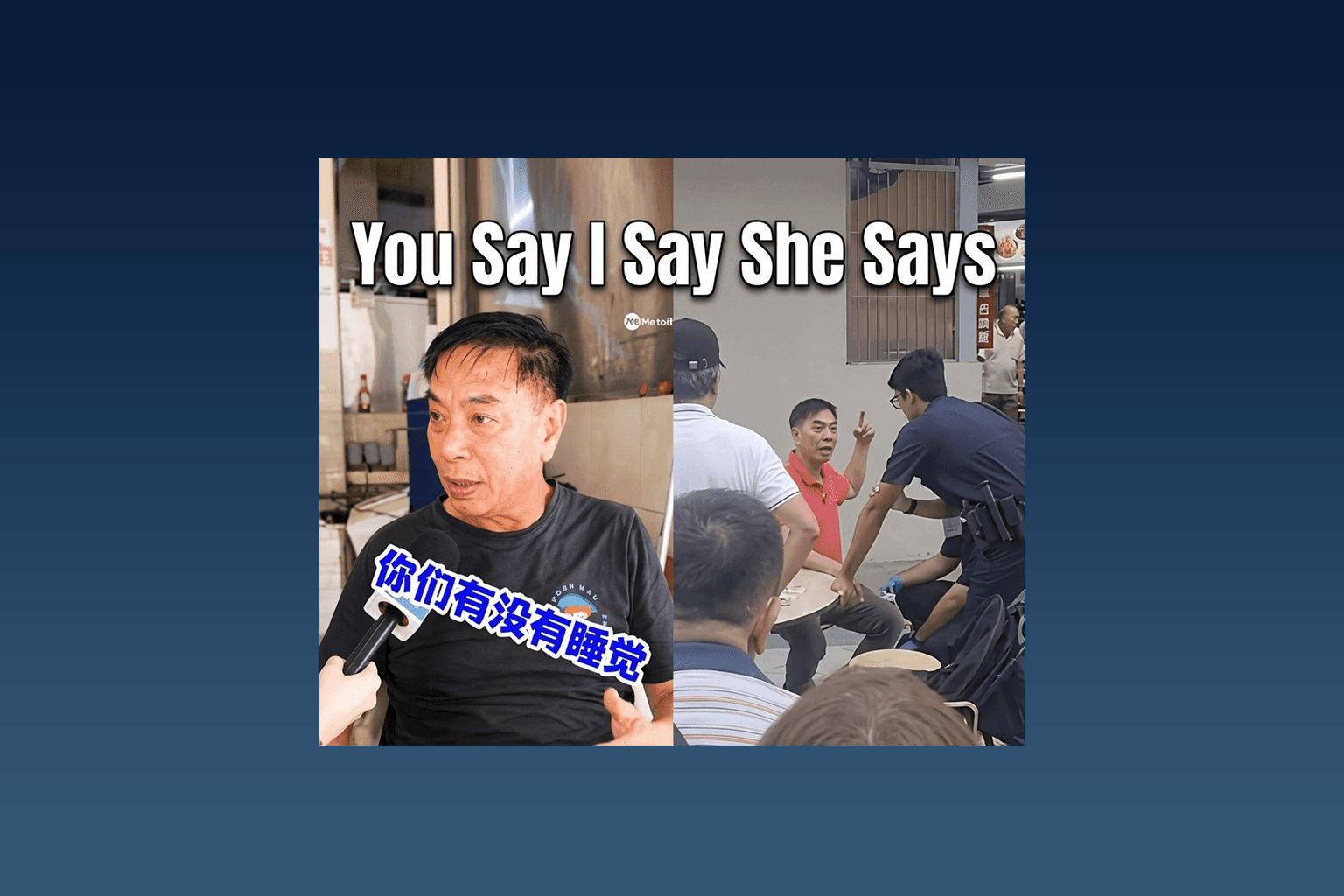
For a broader legal and reputation perspective, read Huang Yiliang hawker dispute rumours, online reviews and business reputation
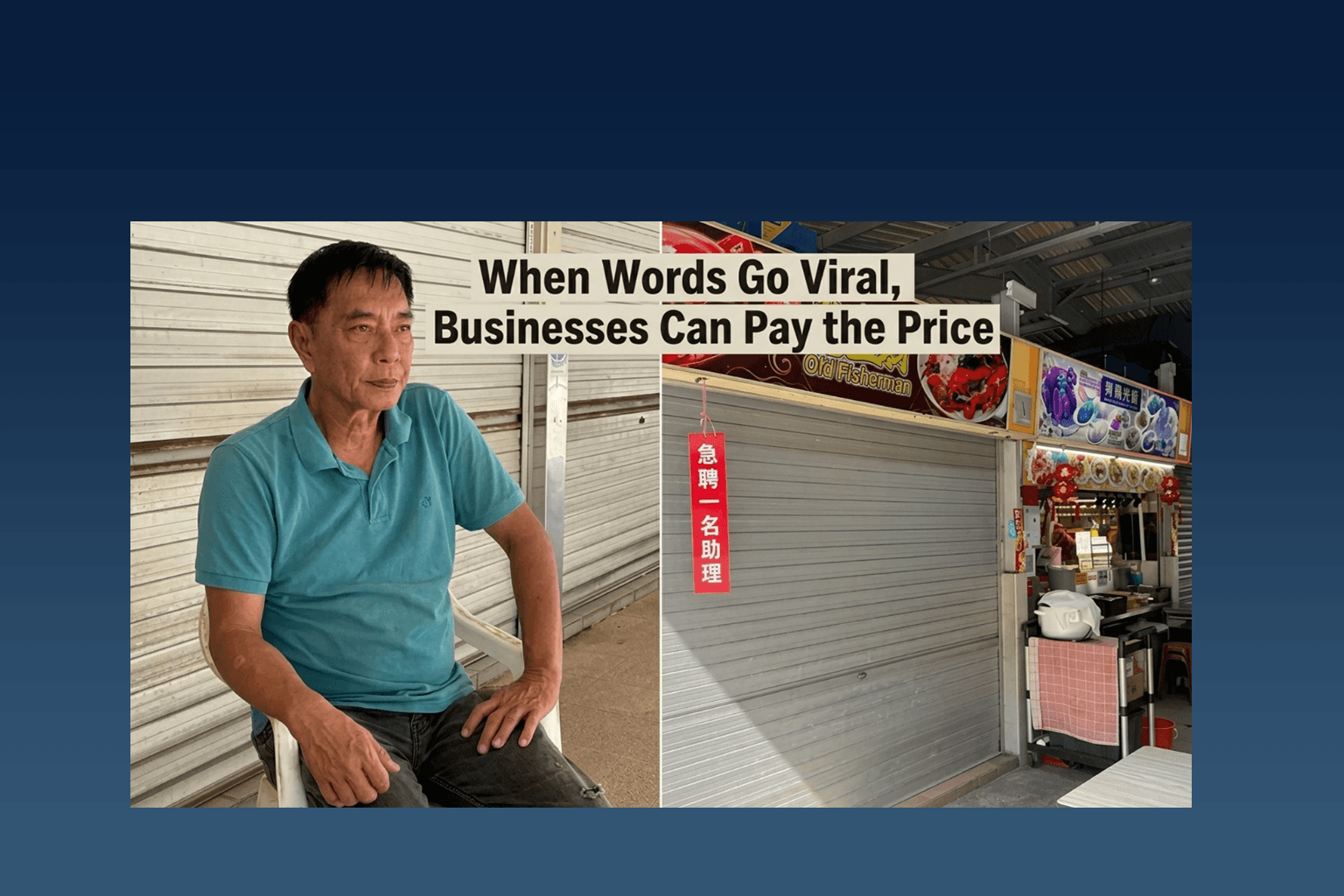
You may also read Huang Yiliang hawker dispute online reviews and brand protection in Singapore
Copyright Risks in AI-Generated Content
AI tools have increased copyright risk for businesses.
Businesses now use AI to create:
Blog articles
Marketing copy
Images
Videos
Logos
Music
Presentations
Product visuals
However, AI-generated content may create legal uncertainty around ownership, originality, and similarity to existing works.
Businesses using AI should understand AI generated content copyright Singapore
If your business uses ChatGPT, read ChatGPT copyright risks
If your business uses AI image tools, read Midjourney copyright issues for businesses in Singapore
Copyright Risks in Images, Colours and Brand Campaigns
Copyright infringement can also overlap with brand protection and trademark issues.
For example, a business may use a visual campaign inspired by a famous brand, product design, colour theme, artwork, or character. Even if the intention is marketing inspiration, the final output may raise issues if it copies protected creative elements or creates brand confusion.
This is especially relevant for product launches, fashion campaigns, watch designs, social media visuals, and AI-generated posters.
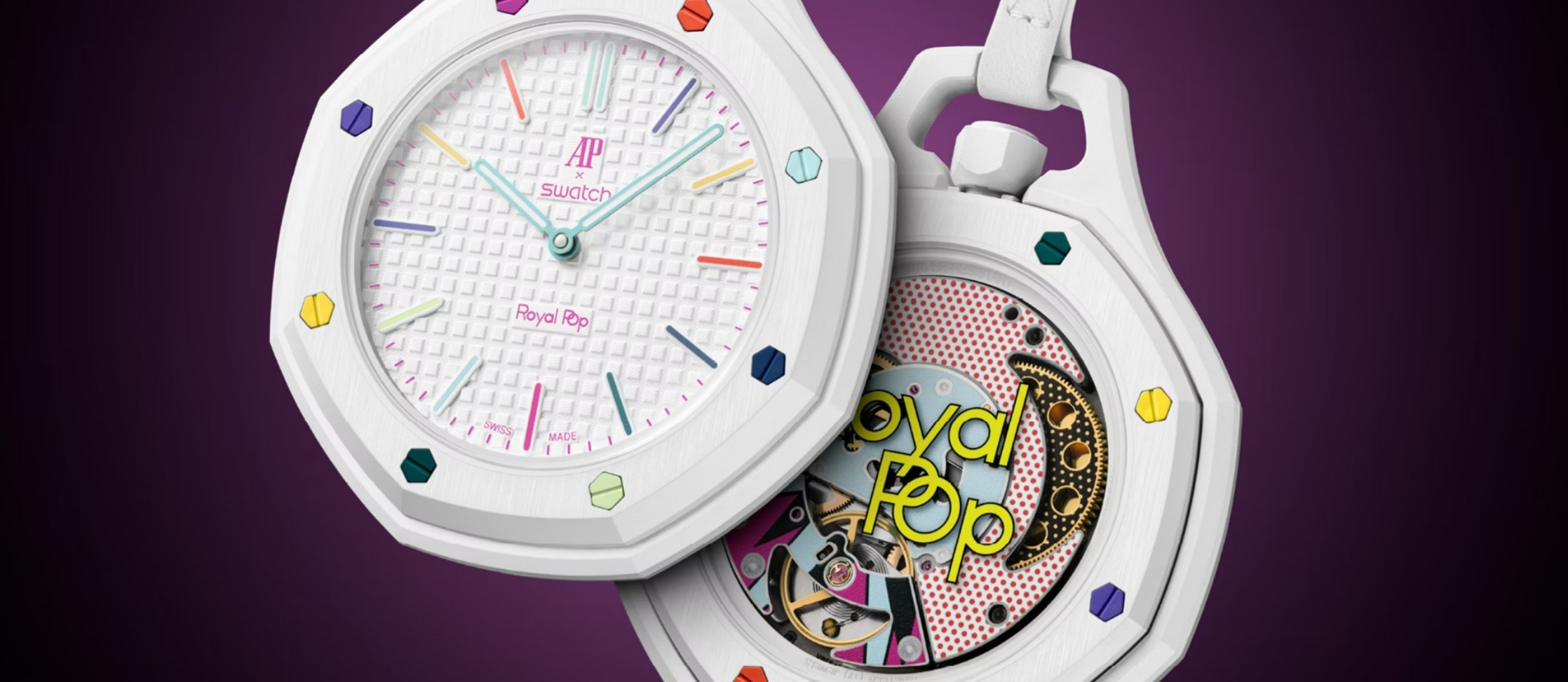
For a related brand and IP discussion, read AP Swatch colours, Royal Pop, trademark and IP protection
If the issue involves brand identity rather than creative content, consider trademark registration Singapore
Common Copyright Infringement Scenarios for Businesses
Businesses may unknowingly infringe copyright in many everyday situations.
Using Unlicensed Images
This is one of the most common risks.
A business may take an image from a search engine or social media platform and use it in:
Blog posts
Ads
Posters
Brochures
Websites
Instagram posts
LinkedIn posts
Even if credit is given, permission may still be required.
Copying Website Content
Copying another business’s service page, blog article, landing page, or product description can create infringement risk.
Changing a few words may not be enough if the copied portion remains substantially similar.
Using Music in Videos
Businesses producing reels, advertisements, and promotional videos should ensure they have proper music rights.
Music licensing can be complex, especially when content is used commercially.
Using Software Without a Licence
Software infringement may involve unauthorised downloads, shared licences, or use beyond permitted terms.
Businesses should maintain proper software licensing records.
Reusing Freelancer or Agency Work Without Proper Ownership
A business may assume it owns materials created by a freelancer or agency, but this depends on the contract.
If the agreement does not properly assign rights, ownership may remain unclear.
Fair Use Misunderstandings
Some businesses believe that fair use allows them to use copyrighted material freely.
That is risky.
Fair use is a limited legal exception. Whether it applies depends on the facts and circumstances. Singapore’s Copyright Act recognises fair use as a permitted use, but it is not a general permission to copy content freely.
For a deeper explanation, read fair use Singapore explained
What Should You Do If You Receive a Copyright Complaint
If your business receives a copyright complaint, do not ignore it.
You should consider the following steps.
Step 1: Preserve Evidence
Keep copies of:
The complaint
The allegedly infringing material
The source of the material
Licences or purchase records
Internal communications
Publication dates
Screenshots
Step 2: Review Whether the Content Was Licensed
Check whether your business had permission to use the material.
Look for:
Stock image licences
Creator agreements
Agency contracts
Software licences
Platform usage rights
Email permissions
Step 3: Remove or Pause the Content If Appropriate
If there is a real risk, it may be sensible to temporarily remove or pause the material while the issue is reviewed.
This does not necessarily mean admitting liability.
Step 4: Assess Whether an Exception Applies
In some cases, a permitted use or fair use argument may apply.
However, this should be assessed carefully.
Step 5: Seek Legal Advice Before Responding
Businesses should avoid sending emotional or poorly worded replies.
A response should be strategic, factual, and legally considered.
What Should You Do If Someone Copies Your Content
If another party copies your business content, you may consider:
Collecting evidence
Checking your ownership rights
Sending a takedown request
Sending a demand letter
Negotiating settlement
Starting legal action if necessary
The right approach depends on the seriousness of the infringement and the commercial impact.
How Businesses Can Reduce Copyright Infringement Risk
Businesses can reduce risk with simple but effective practices.
Use Licensed or Original Content
Use content that your business owns, created internally, commissioned properly, or licensed from reliable sources.
Keep Licence Records
Maintain records of:
Image licences
Software licences
Music licences
Creator agreements
Agency contracts
Freelancer assignments
Review AI Outputs
Do not publish raw AI content without review.
Check for originality, factual accuracy, and similarity to known sources.
Train Staff on Copyright Basics
Marketing teams, design teams, content teams, and social media teams should understand copyright risks.
Use Written Contracts
Contracts should state clearly who owns the work, how it may be used, and whether rights are assigned.
Implement Digital Rights Management
Digital Rights Management helps businesses control access, usage, and distribution of digital assets.
Read Digital Rights Management in Singapore
Copyright, Trademark and Reputation Protection
Copyright infringement is only one part of business protection.
Businesses should also consider:
Trademark protection
Brand monitoring
Online review management
Digital asset protection
Contractual ownership
Reputation risk
For a comparison of IP protection types, read trademark vs copyright Singapore
For brand protection, read benefits of trademark registration for businesses in Singapore
Why Work with Absolute IP
Copyright infringement issues require careful handling. A business may be dealing with legal risk, commercial pressure, online reputation concerns, and customer-facing consequences at the same time.
Absolute IP helps businesses with:
Copyright advisory
Copyright infringement assessment
Digital rights management
AI-generated content risk review
Trademark and brand protection
Online reputation and IP strategy
Dispute resolution support
If your business is facing a copyright issue or wants to reduce copyright risk before publishing content, contact Absolute IP at support@absoluteip.com for practical legal guidance.
Conclusion
Copyright infringement penalties in Singapore can include civil remedies such as damages, injunctions, account of profits, and removal of infringing materials. In more serious cases involving wilful commercial infringement, criminal liability may also arise.
For businesses, the safest approach is to use original or licensed content, review AI-generated materials carefully, keep proper documentation, and seek advice when uncertain.
As digital content, AI tools, online reviews, and brand campaigns become more connected, copyright protection should be treated as part of a wider business and reputation strategy.