AI Copyright Legal Cases Analysis: What Businesses Should Know
Read an analysis of recent AI copyright legal cases and what businesses should know about AI training data, fair use, infringement, AI-generated outputs and commercial risk.
Hannah Poh
Corporate Lawyer
AI Copyright Legal Cases Analysis: What Businesses Should Know
AI copyright disputes are now one of the most important legal developments for businesses using generative AI. Tools such as ChatGPT, Midjourney, DALL·E, Stable Diffusion and other AI systems are changing how businesses create text, images, videos, software, designs and marketing materials.
However, the legal risks are growing quickly.
Recent lawsuits involving AI companies, publishers, authors, media studios and content owners show that AI copyright law is still developing. The major issues include whether copyrighted works can be used to train AI models, whether AI outputs can infringe copyright, who owns AI-generated content, and what businesses should do before using AI-generated materials commercially.
For Singapore businesses, many of the headline cases are overseas cases, especially from the United States. They are not automatically Singapore law. However, they are still important because they show the direction of global disputes, the arguments being tested, and the risks businesses should consider when using AI-generated content.
This article analyses key AI copyright legal cases and explains what businesses should know.
Why AI Copyright Cases Matter for Businesses
AI copyright cases matter because businesses are now using AI in daily operations.
AI tools may be used to create:
Blog articles
Website copy
Product descriptions
Social media captions
Advertisements
Images
Videos
Presentations
Software code
Training materials
Brand concepts
Product mockups
Business reports
These outputs may appear original, but legal questions remain.
Businesses need to consider:
Whether AI tools were trained on copyrighted materials
Whether the output resembles protected works
Whether the business owns the output
Whether the output can be protected by copyright
Whether the output can be used commercially
Whether confidential materials were uploaded into AI tools
Whether human review and editing were performed
Whether platform terms allow the intended use
If your business needs copyright advisory and digital rights management in Singapore
AI copyright risk should be reviewed as part of your digital content strategy.
The Two Main AI Copyright Issues
Most AI copyright cases focus on two main issues.
Issue 1: Input Risk
Input risk concerns whether AI companies or users used copyrighted works to train or prompt AI systems without permission.
This includes questions such as:
Were books, articles, images, videos or music used for AI training?
Were the works lawfully obtained?
Were pirated copies used?
Is AI training fair use or infringement?
Does training compete with the original market?
Does the AI system store or reproduce protected works?
Issue 2: Output Risk
Output risk concerns whether AI-generated outputs infringe copyright.
This includes questions such as:
Does the AI output reproduce protected expression?
Does the output resemble a copyrighted character, image, article or artwork?
Does the output create a derivative work?
Can users generate near-verbatim content?
Are safeguards sufficient?
Who is responsible for infringing outputs?
For businesses, both issues matter. Even if a business did not train the AI model, it may still face risk if it uses infringing outputs commercially.
For a broader guide, read AI generated content copyright Singapore
Case 1: Anthropic and AI Training on Books
One of the most important AI copyright decisions involved Anthropic.
In June 2025, a US federal judge ruled that Anthropic’s use of books to train its AI system could qualify as fair use under US copyright law. However, the judge also said that pirating authors’ books could not be justified. Reuters described the ruling as a key decision because fair use is a central defence for AI companies in copyright cases.
A later Reuters analysis of 2025 copyright law developments described the Anthropic case as drawing a line between fair use for lawfully acquired training data and a hard stop on piracy.
Business Takeaway from Anthropic
The business takeaway is not that all AI training is automatically legal.
Instead, the case suggests that courts may distinguish between:
Lawfully acquired training materials
Pirated or unlawfully obtained materials
Transformative AI training arguments
Market harm to copyright owners
Storage and reproduction of source materials
Output-based infringement
For Singapore businesses, the practical lesson is this: lawful access and documentation matter.
Businesses using AI systems should avoid uploading pirated, unauthorised or confidential materials into AI tools.
For copyright basics, read how copyright works in Singapore
Case 2: OpenAI and Author Copyright Claims
OpenAI has faced multiple copyright lawsuits from authors, publishers and content owners.
In October 2025, Reuters reported that a New York federal judge denied OpenAI’s early request to dismiss authors’ claims that text generated by ChatGPT infringed their copyrights.
In March 2026, Reuters also reported that Encyclopedia Britannica and Merriam-Webster sued OpenAI, alleging illegal use of copyrighted materials for AI training and that ChatGPT produced near-verbatim summaries of their content.
These cases show that AI copyright disputes are not only about training data. They also involve whether AI outputs reproduce or closely resemble protected materials.
Business Takeaway from OpenAI Cases
Businesses using ChatGPT or other text-generation tools should avoid treating AI output as risk-free.
Risks may arise where businesses ask AI tools to:
Summarise paid articles
Rewrite copyrighted articles
Generate content based on proprietary reports
Produce text in the style of a specific living author
Create near-verbatim passages from protected materials
Draft content based heavily on competitor websites
Process documents they do not have permission to use
Businesses should use AI as a drafting assistant, not a copying engine.
If your team uses ChatGPT, read ChatGPT copyright risks
Case 3: Disney and Universal v Midjourney
AI image generation has produced some of the most visible copyright disputes.
In June 2025, Disney and Universal sued Midjourney in the United States. Reuters reported that the studios accused Midjourney’s AI image generator of copyright infringement involving well-known characters and called the platform a “bottomless pit of plagiarism.”
The dispute is significant because it focuses heavily on AI-generated images that allegedly reproduce or imitate famous protected characters.
For businesses, this matters because many marketing teams use AI image tools for social media, advertising, campaign visuals, product concepts and brand storytelling.
Business Takeaway from Disney and Universal v Midjourney
Businesses should avoid prompting AI tools to generate images resembling famous characters, films, franchises, artworks or branded worlds.
High-risk prompts may include requests to create images:
Involving famous movie characters
In the visual style of a known franchise
Based on well-known animated characters
Using recognisable brand elements
Featuring protected costumes, logos or mascots
Designed to look like an existing copyrighted scene
For a deeper guide, read Midjourney copyright issues for businesses in Singapore
Case 4: Warner Bros Discovery v Midjourney
In September 2025, Warner Bros Discovery also sued Midjourney.
Reuters reported that Warner Bros accused Midjourney of copyright infringement involving characters such as Superman, Batman, Wonder Woman, Scooby-Doo and Bugs Bunny. The lawsuit sought damages, profits and an injunction against further infringement.
This case reinforces the same risk: AI-generated images can create serious legal concerns when they reproduce or closely resemble famous protected characters.
Business Takeaway from Warner Bros v Midjourney
Businesses should treat AI-generated images with caution when used for:
Paid advertising
Merchandise
Product packaging
Brand mascots
Campaign characters
Event posters
Social media campaigns
Commercial videos
Retail visuals
Even if an AI tool allows commercial use under its platform terms, that does not guarantee the output is free from third-party copyright claims.
For image-specific ownership issues, read who owns AI generated images in Singapore
🟥 BACKLINK: /blog/who-owns-ai-generated-images-singapore
Case 5: Disney, Universal and Warner Bros v MiniMax
AI copyright disputes are not limited to US-based AI companies.
In September 2025, Reuters reported that Disney, Universal and Warner Bros Discovery sued China’s MiniMax, alleging that its Hailuo AI image and video service was built from intellectual property stolen from the studios.
This case shows that AI copyright disputes are becoming global. Businesses using AI tools from different countries should not assume that platform location removes copyright risk.
Business Takeaway from MiniMax
Businesses should review AI tools before using outputs commercially.
Consider:
Who provides the AI tool
What platform terms apply
Whether commercial use is allowed
Whether outputs are public or private
Whether prompts and outputs may be used for training
Whether the platform has copyright safeguards
Whether outputs resemble protected works
Whether indemnities or protections are offered
For digital content protection, read how to protect digital content in Singapore
Case 6: Thomson Reuters v ROSS Intelligence
Thomson Reuters v ROSS Intelligence is another important AI-related copyright case.
A 2025 analysis noted that a Delaware federal court issued a major decision concerning the use of copyrighted legal content to train an AI-related legal research tool. The dispute involved Thomson Reuters’ Westlaw headnotes and Ross Intelligence’s use of those materials to train a competing AI-driven legal research system.
This case is important because it involved a commercial competitor using copyrighted content to develop a competing product.
Business Takeaway from Thomson Reuters v ROSS
This case highlights risk where copyrighted materials are used to build a competing business product.
Businesses should be cautious when using third-party content to train or improve:
Search tools
Recommendation engines
Legal tools
Research platforms
Knowledge databases
AI chatbots
Content generation systems
Internal AI models
SaaS products
The risk may be higher where the AI system competes with the market for the original content.
What Singapore Businesses Should Learn From These Cases
Although many major AI copyright cases are overseas, Singapore businesses should still learn from them.
The key lessons are:
AI copyright law is still developing
Platform permission does not remove all legal risk
Training data and output similarity are both important
Pirated or unauthorised source materials create higher risk
Famous characters and branded content are high-risk prompts
AI-generated output should be reviewed before commercial use
Human creativity and editing matter
Contracts should address AI use
Businesses should document prompts, edits and approvals
AI content should be part of IP risk management
IPOS states that AI raises practical copyright issues for copyright owners, AI developers and AI users, and provides resources on AI-generated content and possible infringement.
Singapore Law Perspective on AI Copyright
Singapore copyright law protects certain original works, but AI raises difficult questions around authorship, originality and liability.
A Singapore-focused IP analysis notes that under Singapore law, an AI system cannot be named as an author of an authorial work because Singapore copyright law requires an author for authorial works.
This matters because businesses may not always be able to claim strong copyright protection over raw AI-generated outputs with minimal human involvement.
For businesses, the practical approach is:
Add substantial human input
Edit and refine AI outputs
Keep prompt and edit records
Avoid copying protected materials
Review platform terms
Use contracts to allocate ownership and liability
Avoid using AI output as core brand assets without legal review
For fair use issues, read fair use Singapore explained
AI Copyright Risk for Marketing Teams
Marketing teams face high AI copyright risk because they frequently create public-facing content.
Risky uses include:
AI images resembling famous characters
AI-written articles based on competitor websites
AI-generated ads inspired by known campaigns
AI videos using copyrighted character concepts
AI content using unlicensed images as prompts
AI tools used to rewrite third-party articles
AI captions based on copied content
AI-generated product visuals that resemble known brands
Marketing teams should use AI to create original campaigns, not to imitate protected works.
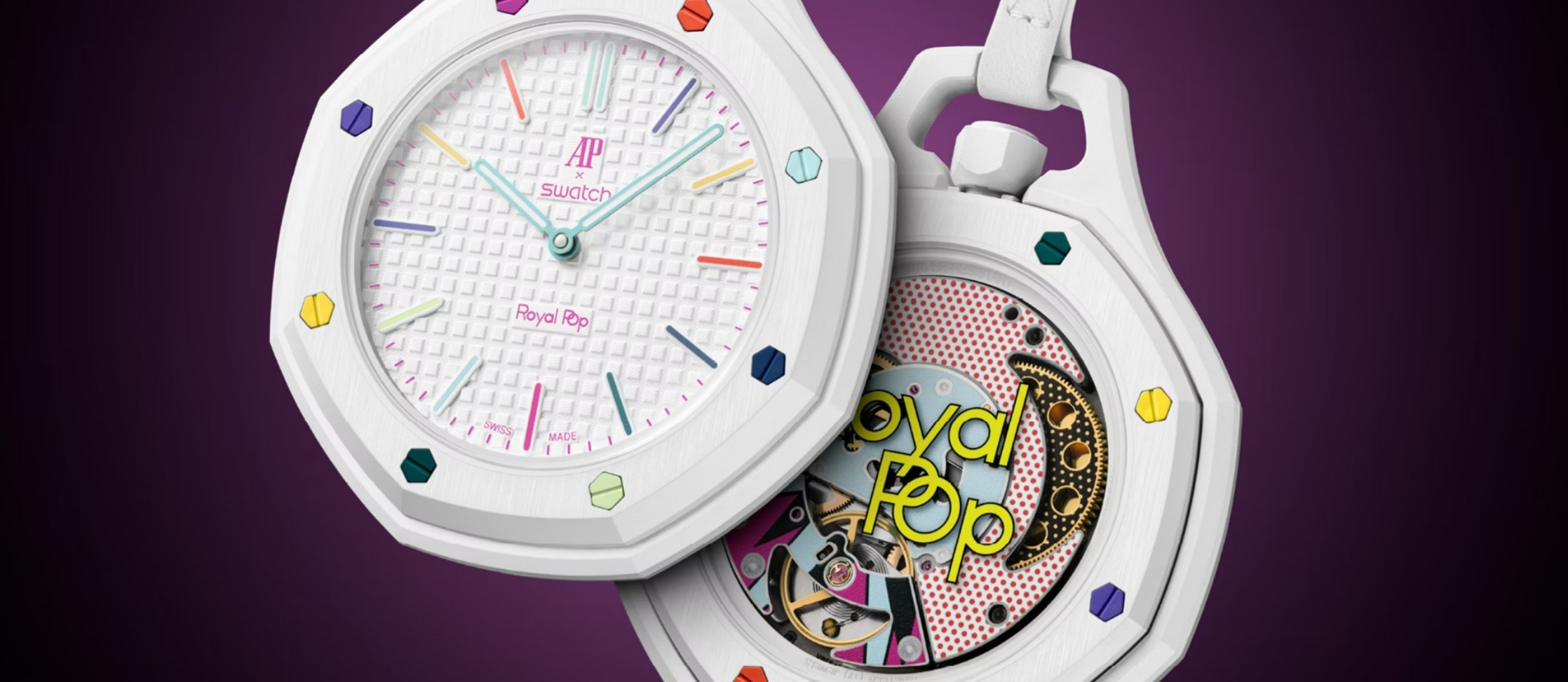
For brand-related IP strategy, read AP Swatch colours, Royal Pop, trademark and IP protection
AI Copyright Risk for Software and Technology Businesses
Technology companies face a different set of risks.
They should consider:
Whether training data was lawfully obtained
Whether open-source licences apply
Whether source code generated by AI is safe
Whether internal documents were uploaded into AI tools
Whether customer data was used
Whether employees used AI tools without approval
Whether AI outputs are incorporated into products
Whether contracts address AI-generated code
Whether competitors’ materials were used to train internal systems
For startups, this is especially important because investors and buyers may review IP ownership during due diligence.
For startup legal planning, read legal requirements for startups in Singapore
For M&A due diligence, read mergers and acquisitions Singapore process
AI Copyright Risk for Agencies and Freelancers
Agencies and freelancers using AI should be transparent and contractually protected.
They should consider:
Whether clients allow AI use
Whether AI use must be disclosed
Who owns final deliverables
Whether raw AI outputs are acceptable
Whether third-party materials were used
Whether prompts include confidential client information
Whether outputs are reviewed for similarity
Whether indemnities apply
Whether platform terms permit commercial use
Business contracts should now include AI-related clauses.
For contract planning, read business contracts Singapore guide
AI Copyright Risk for Brand Owners
Brand owners should be concerned about both sides of AI copyright.
They may use AI themselves, but they may also be copied by others using AI tools.
Risks include:
AI-generated lookalike logos
Copycat brand visuals
AI-generated images of protected mascots
Fake product images
Brand impersonation
Unauthorised use of product designs
AI-generated social media content resembling official content
Marketplace listings using copied brand assets
For brand protection, read trademark registration Singapore
For enforcement, read trademark infringement Singapore
What Businesses Should Do Before Using AI Content Commercially
Before using AI-generated content in public or commercial settings, businesses should take practical steps.
Step 1: Review the AI Tool’s Terms
Check:
Whether commercial use is allowed
Whether outputs are private
Whether the platform may reuse prompts
Whether the platform provides indemnity
Whether restrictions apply to company size
Whether generated outputs can be licensed or sold
Step 2: Avoid Protected Works and Famous Characters
Do not intentionally prompt AI tools to imitate:
Famous characters
Known artists
Branded campaigns
Movie franchises
Logos
Mascots
Copyrighted scenes
Competitor materials
Step 3: Add Human Creativity
Businesses should:
Edit AI outputs
Add original input
Use human judgment
Combine AI output with original work
Avoid publishing raw outputs for high-value assets
Step 4: Keep Records
Maintain records of:
Prompts
AI tool used
Date of creation
Human edits
Source materials
Internal approvals
Final version
Step 5: Use Contracts
Contracts should address:
Whether AI may be used
Who owns final work
Whether AI use must be disclosed
Responsibility for infringement
Confidentiality
Indemnities
Commercial use rights
Step 6: Review Before Publishing
Check whether the output:
Resembles known works
Contains protected characters
Uses third-party branding
Repeats source material too closely
Contains inaccurate legal or factual claims
Violates platform terms
AI Copyright Checklist for Businesses
Before using AI-generated content, review:
Is the AI tool approved for commercial use?
Are platform terms reviewed?
Was any copyrighted source material uploaded?
Was confidential information uploaded?
Does the output resemble existing content?
Was human editing added?
Are prompts and edits documented?
Are employees trained on AI use?
Are agency contracts updated?
Are copyright and trademark risks reviewed?
Is the output suitable for public advertising?
Is the output being used as a core brand asset?
Are licensing rights clear?
Is legal review needed?
For a broader legal planning guide, read business legal checklist Singapore
Common AI Copyright Mistakes Businesses Make
Businesses often make avoidable mistakes.
Common mistakes include:
Assuming AI output is always safe
Asking AI to rewrite copyrighted articles
Generating images of famous characters
Using raw AI output as a logo
Uploading confidential client documents
Ignoring platform terms
Not checking similarity to existing works
Failing to document human edits
Not updating freelancer and agency contracts
Treating US fair use rulings as Singapore law
Publishing AI content without review
Assuming attribution solves copyright risk
For broader mistakes, read common legal mistakes businesses make in Singapore
Why Work with Absolute IP
AI copyright cases are changing how businesses should think about content, technology and brand protection.
Absolute IP helps businesses with:
AI copyright risk review
Copyright advisory
Digital rights management
ChatGPT content risk assessment
Midjourney and AI image risk review
Trademark and brand protection
IP clauses for business contracts
Licensing and commercialisation agreements
AI content policy support
IP dispute strategy
If your business uses AI tools for content, images, software, marketing or product development, contact Absolute IP at support@absoluteip.com for practical legal guidance.
Conclusion
AI copyright legal cases show that generative AI is not risk-free.
The major disputes involving Anthropic, OpenAI, Midjourney, Disney, Universal, Warner Bros, MiniMax and Thomson Reuters show that courts are examining both training data and AI-generated outputs.
For businesses, the safest approach is to use AI responsibly. Avoid copying protected works, review outputs carefully, add human creativity, document the process, update contracts, and seek legal advice before using AI-generated content for high-value commercial purposes.
AI can be powerful, but businesses must treat it as part of an intellectual property risk strategy, not just a content shortcut.