Legal Requirements for Startups in Singapore: A Practical Guide for Founders
Learn the key legal requirements for startups in Singapore, including company registration, licences, shareholder agreements, contracts, tax, employment, trademark and IP protection.
Hannah Poh
Corporate Lawyer
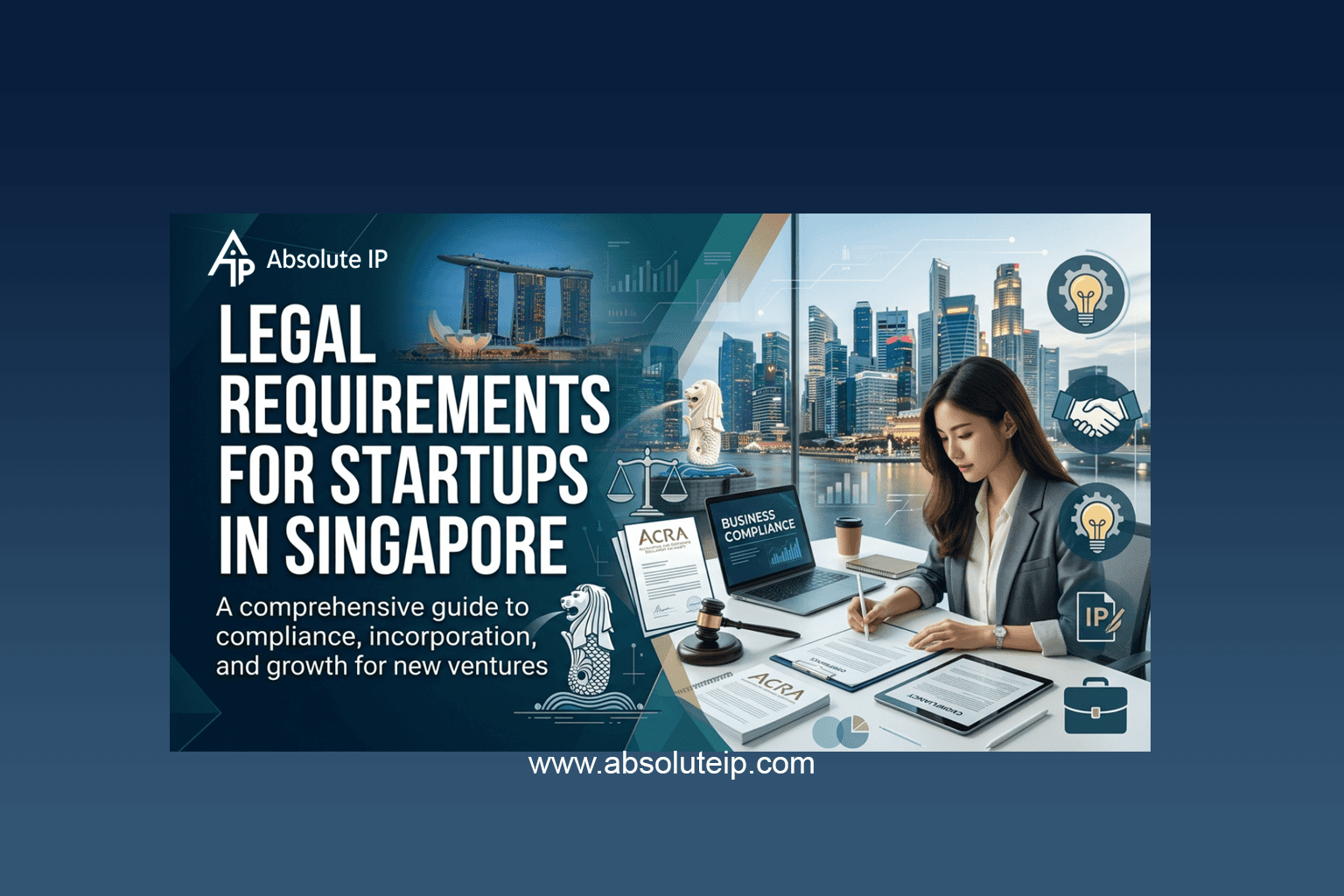
Legal Requirements for Startups in Singapore: A Practical Guide for Founders
Singapore is one of the most attractive places in Asia to start a business. Its strong legal system, efficient company registration process, stable business environment, and access to regional markets make it popular among local entrepreneurs, foreign founders, technology companies, SMEs and venture-backed startups.
However, launching a startup is not only about registering a company.
Startups also need to consider legal structure, founder ownership, shareholder agreements, licences, contracts, intellectual property, employment obligations, tax filings, data protection, online terms and long-term compliance.
Many founders only think about legal requirements after a dispute, investor request, customer issue or funding round. That is risky. A startup that handles legal matters properly from the beginning is usually easier to grow, fund, protect, license, franchise or sell.
This guide explains the key legal requirements startups in Singapore should understand before and after incorporation.
Why Legal Requirements Matter for Startups
Startups often move quickly. Founders focus on product, funding, sales, hiring and growth. Legal matters may feel secondary.
However, weak legal foundations can create serious problems later.
Common startup legal risks include:
Founder disputes
Unclear share ownership
Missing company secretary appointment
Poor contract terms
Unprotected brand names
Unclear ownership of software or content
Employment disputes
Licensing breaches
Tax filing issues
Investor due diligence problems
Regulatory non-compliance
If you are building a startup and need corporate law and business structuring in Singapore
it is better to address these issues early rather than after problems arise.
Requirement 1: Choose the Right Business Structure
The first legal requirement is choosing the right structure.
Common business structures in Singapore include:
Sole proprietorship
Partnership
Limited liability partnership
Private limited company
For many startups, the private limited company structure is preferred because it provides a separate legal identity, limited liability, and more flexibility for fundraising, employee incentives and expansion.
However, not every business needs the same structure. A simple side business may not require the same setup as a venture-backed technology startup.
Founders should consider:
Number of founders
Funding plans
Risk exposure
Tax planning
Investor expectations
Future sale or exit plans
Intellectual property ownership
Choosing the wrong structure can create unnecessary legal and commercial complications later.
Requirement 2: Register the Startup with ACRA
Companies in Singapore are registered through ACRA’s Bizfile system. ACRA explains that local company registration is carried out via Bizfile, where users can access the “Register new business entity” eService.
Before registering, founders should prepare:
Company name
Business activity
Registered address
Shareholders
Directors
Company secretary
Share capital
Company constitution
ACRA registration may be efficient, but founders should not treat it as a mere formality. The decisions made during incorporation affect ownership, control, compliance and future growth.
For a broader startup setup guide, read how to start a business in Singapore legal guide
Requirement 3: Check Director, Secretary and Registered Address Requirements
A Singapore company must satisfy key company officer and address requirements.
Founders should understand:
Who can act as director
Whether a resident director is required
Who can act as company secretary
When the company secretary must be appointed
What address can be used as the registered office
ACRA’s company registration resources are designed to help businesses understand key requirements before a company starts operations.
The company secretary role should not be ignored. For startups, the company secretary is often important for annual filings, statutory registers, shareholder changes and compliance administration.
Poor company administration can create issues during investor due diligence, bank onboarding or corporate transactions.
Requirement 4: Prepare Founder and Shareholder Agreements
A shareholder agreement is one of the most important documents for a startup with more than one founder.
Many startup disputes arise because founders begin with trust and enthusiasm but fail to document key expectations.
A shareholder agreement can cover:
Share ownership
Founder roles
Capital contributions
Decision-making rights
Reserved matters
Board control
Vesting
Founder exits
Confidentiality
Non-compete or non-solicitation issues
Deadlock resolution
Share transfer restrictions
Without a shareholder agreement, disputes can become expensive and disruptive.
For a detailed guide, read shareholder agreement Singapore guide
Requirement 5: Protect the Startup Name and Brand
ACRA approval of a company name does not mean the name is protected as a trademark.
This is a common startup mistake.
A company name identifies the legal entity. A trademark protects the brand identity used in the market.
For example, your startup may have:
Company name
Trading name
Product name
App name
Logo
Slogan
Platform name
Brand mascot
Campaign name
If these assets are important, trademark protection should be considered early.
Startups should first check trademark availability in Singapore
Then consider trademark registration Singapore
This is especially important because Singapore operates on a first-to-file system for trademarks. If another party registers a similar mark before you, your startup may face rebranding costs or legal disputes.
Requirement 6: Protect Copyright, Software and Digital Content
Startups create intellectual property from day one.
This may include:
Source code
UI designs
Website content
Pitch decks
Product documentation
Videos
Graphics
Training materials
Marketing content
Software architecture
Databases
AI-generated content
Copyright may protect original works, but ownership can become complicated when employees, contractors, freelancers, agencies or AI tools are involved.
A startup should confirm who owns each key asset.
For a practical explanation, read how copyright works in Singapore
If your startup relies on digital content, read how to protect digital content in Singapore
Requirement 7: Use Proper Contracts with Contractors and Agencies
Many startups outsource early work to freelancers, developers, designers, agencies, copywriters or consultants.
This can include:
App development
Website design
Logo design
Branding
Photography
Software development
Marketing
Content creation
UI and UX design
The contract should clearly state:
Who owns the work
Whether copyright is assigned
Whether source files are included
Whether open-source software is used
Whether AI tools may be used
Whether third-party materials are licensed
Payment milestones
Confidentiality obligations
Warranty against infringement
If this is not clear, the startup may later discover that it does not fully own its own website, source code, brand assets or content.
For a broader guide, read business contracts Singapore guide
Requirement 8: Check Business Licence Requirements
Not every startup can begin operations immediately after incorporation.
Some businesses require licences or approvals depending on the industry.
Examples may include:
Food and beverage
Education
Healthcare
Employment agency services
Financial services
Real estate-related services
Events
Import and export
Professional services
GoBusiness Licensing allows businesses to apply for new licences, renew existing licences and manage licences online.
The GoBusiness licensing directory also allows users to browse licences and permits that can be applied for to ensure compliance with government agencies.
Before launch, startups should check whether their business activity requires approval.
Requirement 9: Understand Tax and Filing Obligations
Startups must understand tax and filing obligations from the beginning.
Common obligations may include:
Accounting records
Corporate income tax filing
Estimated Chargeable Income filing
Annual return filing
GST registration considerations
Payroll records
Employee income reporting
IRAS states that Singapore’s corporate income tax rate is 17%, and companies may enjoy tax rebates and tax exemption schemes, including schemes for qualifying new startup companies.
New companies should also understand their first filing obligations with IRAS and ACRA. IRAS notes that its New Company Start-Up Kit was created to help new companies understand first filing obligations, including the corporate income tax return and annual return.
Tax and filing mistakes can affect company standing and investor confidence.
Requirement 10: Understand Employment and CPF Obligations
Once a startup hires employees, employment obligations become important.
Startups should prepare:
Employment contracts
Job scopes
Salary terms
Leave policy
Confidentiality clauses
IP ownership clauses
Termination clauses
Employee handbook
CPF and payroll processes
Workplace conduct policies
If founders are hiring staff, they should understand employment law Singapore employee rights
Employment documents are especially important for startups because employees may create software, designs, content, trade secrets or customer relationships.
The employment agreement should clearly address ownership of work created during employment.
Requirement 11: Protect Confidential Information and Trade Secrets
Startups often rely on confidential information such as:
Business plans
Product roadmaps
Customer lists
Pricing models
Investor decks
Technical architecture
Source code
Commercial strategies
Vendor terms
Internal workflows
Founders should use confidentiality clauses and non-disclosure agreements where appropriate.
This is important when dealing with employees, contractors, investors, vendors, partners, beta users and advisors.
A startup should not assume that informal trust is enough.
Requirement 12: Prepare Website Terms, Privacy and Platform Policies
If your startup operates online, you may need proper website or platform documents.
These may include:
Terms of use
Privacy policy
Cookie notice
Refund policy
Acceptable use policy
User-generated content policy
Marketplace rules
Subscription terms
IP ownership clauses
Disclaimers
These documents are especially important if your startup collects user data, accepts payments, hosts content, sells digital products, provides online services or allows user accounts.
For online content and reputation risks, read Huang Yiliang hawker dispute rumours, online reviews and business reputation
Requirement 13: Understand AI and Digital Content Risks
Many startups use AI tools for writing, images, code, design, research and automation.
AI tools can help startups move faster, but they also create legal risks involving:
Copyright ownership
Confidential information
Training data
AI-generated images
AI-written content
Third-party similarity
Commercial usage rights
If your startup uses AI-generated content, read AI generated content copyright Singapore
If your startup uses ChatGPT, read ChatGPT copyright risks
If your startup uses AI image tools, read Midjourney copyright issues for businesses in Singapore
Requirement 14: Prepare for Licensing, Franchising and Commercialisation
Startups with valuable IP may eventually license or commercialise their assets.
This may include:
Software licensing
Brand licensing
Content licensing
Franchise models
Technology transfer
Distribution rights
Reseller agreements
API access
White-label arrangements
Licensing agreements should define what rights are granted, what fees apply, how long the licence lasts, whether sublicensing is allowed, and what happens when the agreement ends.
For support, read licensing and commercialisation agreements
Requirement 15: Plan for Disputes Before They Happen
Startups should not wait until a dispute happens to think about dispute resolution.
Disputes may arise with:
Founders
Investors
Employees
Contractors
Suppliers
Customers
Competitors
Licensees
Landlords
Business partners
Contracts should include clear dispute resolution clauses.
If a dispute arises, read legal steps to resolve business disputes in Singapore
Common Legal Mistakes Startups Make in Singapore
Startups often repeat the same mistakes.
Mistake 1: Incorporating Without a Founder Agreement
This can create major problems when founders disagree or one founder leaves.
Mistake 2: Delaying Trademark Registration
A startup may build a brand only to discover another party owns a similar trademark.
Mistake 3: Assuming the Company Owns All Contractor Work
Without assignment clauses, ownership may remain with the contractor.
Mistake 4: Ignoring Licence Requirements
Some industries require approvals before operations begin.
Mistake 5: Using Weak Online Contracts
Generic terms may not reflect the startup’s actual business model.
Mistake 6: Uploading Confidential Information Into AI Tools
This can create confidentiality and data protection issues.
Mistake 7: Treating Compliance as Admin Only
Compliance affects funding, due diligence, banking, grants and commercial transactions.
For a wider guide, read common legal mistakes businesses make in Singapore
Legal Checklist for Startups in Singapore
Startup founders should review this checklist:
Choose the right business structure
Register with ACRA
Appoint directors and officers
Appoint a company secretary
Prepare shareholder agreement
Check licence requirements
Protect trademarks
Confirm copyright ownership
Use contractor agreements
Prepare employment contracts
Understand tax filings
Protect confidential information
Create website terms and policies
Review AI content risks
Prepare licensing agreements
Plan dispute resolution clauses
For a related checklist, read business legal checklist Singapore
Why Legal Readiness Helps Startups Raise Funds
Investors usually care about legal readiness.
During due diligence, investors may review:
Company structure
Share ownership
Founder agreements
IP ownership
Material contracts
Employment agreements
Regulatory compliance
Disputes
Licences
Tax filings
If these areas are messy, the investment process may slow down or create concerns.
Startups that organise legal matters early appear more credible and investment-ready.
Why Work with Absolute IP
Absolute IP helps startups and business owners build stronger legal foundations.
Our services include:
Corporate law and business structuring
Trademark registration
Copyright advisory
Business contracts
Licensing and commercialisation agreements
Employment law support
Dispute resolution
AI and digital content risk advisory
Brand and reputation protection
If you are starting or growing a startup in Singapore, contact Absolute IP at support@absoluteip.com for practical legal guidance.
Conclusion
Legal requirements for startups in Singapore go beyond company registration.
Founders should consider structure, shareholder agreements, intellectual property, contracts, licences, employment, tax, confidentiality, online policies, AI risks and dispute resolution.
A startup that handles these issues early is better positioned to grow, raise funds, protect its assets and avoid avoidable disputes.
For founders, legal planning is not a delay to growth. It is part of building a stronger business.