Employment Law Singapore: Employee Rights Explained for Employers and Employees
Learn key employee rights under Singapore employment law, including salary payment, leave, termination, wrongful dismissal, retrenchment, disputes and employer obligations.

Hannah Poh
Corporate Lawyer
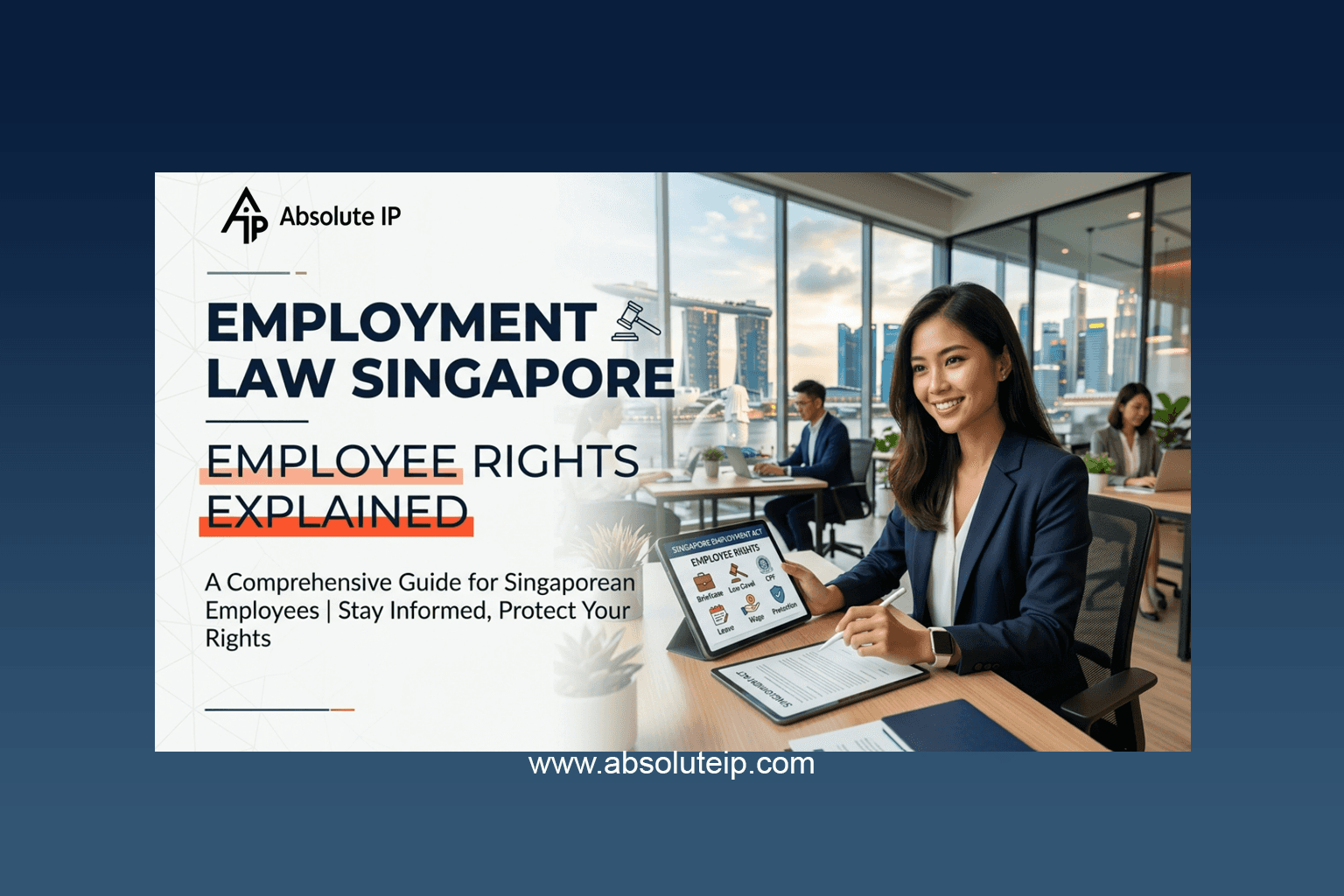
Employment Law Singapore: Employee Rights Explained
Employment law in Singapore sets out important rights and obligations for both employees and employers. Whether you are an employee trying to understand your rights or a business owner managing staff, it is important to know how the Employment Act, employment contracts, salary rules, leave entitlements, termination procedures and dispute resolution processes work.
Employment issues can become serious when expectations are unclear. Disputes may arise over unpaid salary, annual leave, wrongful dismissal, retrenchment, termination notice, workplace conduct, non-compete clauses, confidentiality, commissions, bonuses or employment contracts.
For businesses, employment law is not only an HR issue. It is part of workplace compliance, business risk management and long-term operational stability.
This guide explains key employee rights in Singapore and what employers should understand when managing employment relationships.
What is Employment Law in Singapore
Employment law in Singapore refers to the legal rules that govern the relationship between employers and employees.
It may involve:
Employment contracts
Salary payment
Working hours
Rest days
Overtime
Annual leave
Sick leave
Public holidays
Termination notice
Wrongful dismissal
Retrenchment
Workplace disputes
Employment claims
Confidentiality and restrictive covenants
The Ministry of Manpower states that Singapore’s employment practices cover employment rights and conditions under the Employment Act, leave, public holidays, fair employment, managing employment disputes and salary-related claims.
If your business needs employment law and workplace compliance
it is important to review both the employment contract and statutory obligations.
Who is Covered by the Employment Act
The Employment Act is Singapore’s main employment law. It covers many employees working under a contract of service, including local and foreign employees, subject to specific exclusions and conditions.
Employees and employers should understand whether the Employment Act applies because it affects rights such as salary payment, leave, rest days, termination notice and other basic employment conditions.
For businesses, this means employment documents should not be copied blindly from templates. They should be reviewed against the employee’s role, salary, seniority and applicable statutory protections.
For broader business compliance, read business legal checklist Singapore
Employee Right 1: Written Employment Terms
A clear employment contract helps prevent disputes.
An employment contract should usually cover:
Job title
Job scope
Start date
Working hours
Salary
Allowances
Commission or bonus terms
Leave entitlement
Probation period
Notice period
Confidentiality
Intellectual property ownership
Non-solicitation clauses
Termination terms
Workplace policies
For employers, unclear employment terms may lead to salary disputes, performance disputes or wrongful dismissal claims.
For employees, a written contract helps confirm what was agreed.
For contract drafting principles, read business contracts Singapore guide
Employee Right 2: Salary Payment
Salary payment is one of the most important employment rights.
Employment disputes often arise when salary is:
Paid late
Withheld
Reduced without agreement
Miscalculated
Disputed due to commission
Disputed due to deductions
Not paid after resignation or dismissal
Employers should maintain accurate payroll records and ensure employees are paid in accordance with employment law and contract terms.
The Employment Act provides rules on salary payment, including payment of salary and sums due upon dismissal. Singapore Statutes Online states that salary and any sum due to an employee who has been dismissed must be paid on the day of dismissal or, if this is not possible, within the statutory timeframe.
If salary disputes arise, employees and employers may need to use TADM or other employment dispute processes.
Employee Right 3: Annual Leave
Annual leave is an important employment entitlement.
MOM states that employees covered by the Employment Act are entitled to paid annual leave if they have worked for their employer for at least 3 months, and annual leave entitlement generally starts at 7 days after the first year of service, increasing with additional years of service subject to the statutory entitlement.
Employers should clearly document:
Annual leave entitlement
Leave application process
Leave approval rules
Carry-forward policy
Encashment policy
Pro-rated leave calculation
Treatment of leave during notice period
Employees should keep records of leave applications and approvals.
Employee Right 4: Sick Leave
Employees may be entitled to paid sick leave if they meet statutory requirements.
MOM states that employees covered by the Employment Act are entitled to paid sick leave if they have worked for the employer for at least 3 months.
Sick leave issues may involve:
Medical certificates
Hospitalisation leave
Outpatient sick leave
Sick leave during notice period
Medical reimbursement
Company-approved doctors
Disputes over attendance records
MOM also states that if an employee covered by the Employment Act takes paid or unpaid sick leave during the notice period, it is treated as part of the notice period, and the employer cannot extend the notice period or claim short notice for that reason.
Employee Right 5: Public Holidays and Rest Days
Employees may be entitled to paid public holidays and rest days depending on their employment status and coverage.
Employers should clearly state:
Rest day arrangements
Public holiday entitlement
Compensation for work on public holidays
Shift arrangements
Overtime rules where applicable
Replacement leave where relevant
For operational businesses, public holiday and rest day planning should be managed carefully to avoid payroll disputes.
Employee Right 6: Working Hours and Overtime
Working hours and overtime rules may apply differently depending on the employee’s role and coverage.
Businesses should be careful when managing:
Non-managerial employees
Shift workers
Part-time employees
Overtime claims
Rest day work
Public holiday work
Commission-based employees
Employees with irregular hours
Employers should keep proper working hour and overtime records where applicable.
Employees should also maintain evidence if they believe they are owed overtime or salary.
Employee Right 7: Termination Notice
Employment may generally be terminated by either party by giving notice according to the employment contract.
MOM provides guidance on termination with notice and explains situations involving notice periods, unpaid leave and sick leave during notice.
Employment contracts should clearly state:
Notice period during probation
Notice period after confirmation
Salary in lieu of notice
Termination for misconduct
Immediate termination grounds
Garden leave, where applicable
Handover obligations
Return of company property
Unclear notice clauses may create disputes when employees resign or employers terminate employment.
Employee Right 8: Protection Against Wrongful Dismissal
Wrongful dismissal occurs when an employee is dismissed without just or sufficient cause.
Examples may include dismissal due to discrimination, dismissal to deprive an employee of benefits, or dismissal in retaliation for exercising employment rights, depending on the facts.
Employees who believe they were wrongfully dismissed may seek help through employment dispute channels.
The Singapore Judiciary states that the Employment Claims Tribunals provide a speedy and low-cost forum for salary-related claims and wrongful dismissal claims, and that mediation at TADM is compulsory before claims can be filed at the ECT.
For a deeper article, read wrongful dismissal Singapore
Employee Right 9: Retrenchment and Retrenchment Benefits
Retrenchment may happen when a business reorganises, restructures, reduces manpower or closes operations.
MOM states that during retrenchment exercises, employers must pay all salaries, including unused annual leave and notice pay, to employees on their last day of work.
Employers should manage retrenchment responsibly by considering:
Objective selection criteria
Proper communication
Notice or salary in lieu
Payment of outstanding salary
Unused annual leave
Retrenchment benefits where applicable
Outplacement support where possible
Documentation of business reasons
For business restructuring, read corporate restructuring Singapore
Employee Right 10: Workplace Safety and Wellbeing
Employers should provide a safe and reasonable working environment.
Workplace issues may include:
Workplace harassment
Unsafe working conditions
Excessive working hours
Discrimination concerns
Bullying
Poor grievance handling
Lack of proper policies
While not every workplace issue becomes a legal claim, poor HR practices may damage morale, productivity and company reputation.
Employers should have clear workplace policies and complaint handling procedures.
Employee Right 11: Confidentiality and Personal Data
Employees often have access to confidential business information.
Employers should protect:
Customer lists
Pricing information
Trade secrets
Internal processes
Source code
Business plans
Investor materials
Supplier information
Financial records
Marketing strategy
Employment contracts should include confidentiality clauses and clear obligations after employment ends.
For businesses that rely on digital assets and confidential content, read how to protect digital content in Singapore
Employee Right 12: Intellectual Property Created by Employees
Employment relationships often involve intellectual property.
Employees may create:
Software
Designs
Marketing content
Reports
Training materials
Business processes
Product concepts
AI-assisted content
Client deliverables
Employment contracts should clearly state who owns work created during employment.
For copyright basics, read how copyright works in Singapore
If employees use AI tools, read ChatGPT copyright risks
Employee Right 13: Non-Compete and Non-Solicitation Clauses
Some employment contracts contain restrictive covenants.
These may include:
Non-compete clauses
Non-solicitation of clients
Non-solicitation of employees
Confidentiality obligations
Non-dealing clauses
Employers should draft these clauses carefully. Overly broad restrictions may be difficult to enforce.
Employees should understand what restrictions they are accepting before signing.
Restrictive covenants often become contentious when senior employees, sales staff, consultants, or key technical staff leave the company.
Employee Right 14: Fair Treatment During Employment Disputes
When employment disputes arise, both parties should handle the matter carefully.
Employment disputes may involve:
Salary claims
Commission disputes
Bonus disputes
Dismissal disputes
Notice period disagreements
Leave encashment
Retrenchment payments
Employment contract interpretation
Misconduct allegations
Workplace complaints
MOM states that the Tripartite Alliance for Dispute Management provides employees and employers with services to resolve employment disputes.
TADM’s website also explains that users may use Ask TADM to get help on salary claims, calculations or employment disputes.
What Employees Should Do If Their Rights Are Affected
Employees should take practical steps before escalating a dispute.
These may include:
Review the employment contract
Keep payslips and salary records
Save messages and emails
Record leave applications
Keep termination letters
Document workplace incidents
Ask HR for clarification
Avoid emotional public posts
Seek advice before filing claims
Use TADM where appropriate
Employees should avoid making public allegations without checking facts, because employment disputes may also create reputation or defamation risks.
For online reputation risks, read Huang Yiliang hawker dispute rumours, online reviews and business reputation
What Employers Should Do to Stay Compliant
Employers should build proper HR and compliance systems.
This includes:
Use clear employment contracts
Maintain payroll records
Track leave properly
Pay salaries on time
Document performance issues
Handle grievances fairly
Use objective retrenchment criteria
Protect confidential information
Clarify IP ownership
Review restrictive covenants
Train managers on employment practices
Seek advice before dismissal or retrenchment
For broader legal risk planning, read common legal mistakes businesses make in Singapore
Employment Law and Business Growth
Employment law becomes more important as a business grows.
Startups and SMEs should review employment matters when:
Hiring first employees
Hiring foreign employees
Creating commission plans
Issuing employee handbooks
Expanding teams
Retrenching staff
Restructuring business
Preparing for investment
Preparing for M&A
Dealing with workplace disputes
For startup compliance, read legal requirements for startups in Singapore
For business transactions, read mergers and acquisitions Singapore process
Common Employment Law Mistakes in Singapore
Employers and employees often make avoidable mistakes.
Common employer mistakes include:
No written employment contract
Late salary payment
Poor documentation of performance issues
Unclear commission or bonus terms
Improper termination handling
Unclear leave policies
No confidentiality clause
No IP ownership clause
Weak retrenchment communication
Overbroad non-compete clauses
Common employee mistakes include:
Not reading the employment contract
Not keeping salary records
Making emotional public allegations
Ignoring notice period obligations
Misunderstanding bonus entitlement
Taking confidential information after resignation
Assuming all dismissals are automatically wrongful
Waiting too long before seeking help
For dispute planning, read legal steps to resolve business disputes in Singapore
Employment Law Checklist for Employers
Employers should check whether they have:
Written employment contracts
Clear job scopes
Salary and commission terms
Leave tracking process
Payroll records
CPF and statutory compliance processes
Confidentiality clauses
IP ownership clauses
Termination clauses
Workplace conduct policies
Grievance process
Retrenchment process
Data protection practices
Dispute escalation process
For a wider checklist, read business legal checklist Singapore
Why Work with Absolute IP
Employment law issues can affect employees, employers, workplace morale, business operations and reputation.
Absolute IP helps businesses and individuals with:
Employment contract review
Workplace compliance
Salary and termination disputes
Wrongful dismissal matters
Retrenchment advisory
Confidentiality and IP clauses
Employment dispute strategy
Business restructuring support
Workplace risk management
If you are dealing with an employment issue or want to strengthen workplace compliance, contact Absolute IP at support@absoluteip.com for practical legal guidance.
Conclusion
Employment law in Singapore protects important rights and sets out obligations for both employees and employers.
Employees should understand salary, leave, termination, wrongful dismissal, retrenchment and dispute rights. Employers should ensure clear contracts, timely salary payment, proper documentation, fair procedures and workplace compliance.
A well-managed employment relationship reduces disputes, protects business operations and supports long-term growth.