AI and Intellectual Property: Future Legal Challenges Businesses Should Prepare For
Explore future legal challenges in AI and intellectual property, including copyright ownership, AI training data, trademark risks, licensing, trade secrets and business liability.

Hannah Poh
Corporate Lawyer
AI and Intellectual Property: Future Legal Challenges Businesses Should Prepare For
Artificial intelligence is changing how businesses create, protect, use and commercialise intellectual property. Companies now use AI tools to write content, generate images, analyse documents, create software code, design products, prepare marketing materials, automate research and support customer-facing services.
This creates major opportunities, but it also raises serious legal questions.
Who owns AI-generated content? Can AI-created works be protected by copyright? Can copyrighted works be used to train AI systems? What happens if AI output resembles a competitor’s work, brand, character or design? Can businesses safely use AI-generated images in advertisements? What should contracts say about AI use?
These questions are not theoretical. They are already becoming real business risks.
In Singapore, IPOS has recognised that rapid AI development is raising issues at the interface of AI and intellectual property law. IPOS’ AI and IP landscape report states that generative AI raises issues that go to the heart of IP law’s conceptual framework.
This guide explains the future legal challenges involving AI and intellectual property, and what businesses should do now.
Why AI and Intellectual Property Matter for Businesses
AI affects almost every major IP asset a business may own or use.
This includes:
Brand names
Logos
Product names
Website content
Blog articles
Social media posts
AI-generated images
Marketing videos
Software code
Training materials
Product designs
Business systems
Customer databases
Trade secrets
Prompts and workflows
Licensing rights
If your business needs copyright advisory and digital rights management in Singapore
AI should now be part of your IP risk strategy.
Future Challenge 1: Who Owns AI-Generated Content?
One of the biggest future legal challenges is ownership.
Businesses use AI to create:
Articles
Images
Videos
Code
Logos
Product mockups
Training slides
Reports
Advertisements
Social media content
Website copy
Brand concepts
The question is whether the business actually owns the output.
This may depend on:
Whether copyright can exist in the AI-generated output
Whether there was sufficient human creativity
Whether the AI tool’s terms assign rights to the user
Whether the output contains third-party material
Whether an employee or freelancer generated the content
Whether the final work was edited and transformed by humans
Whether the content was created for a client
A 2026 Singapore Academy of Law paper on copyright subsistence in light of generative AI states that not all outputs of a generative AI system will be entitled to copyright protection.
For businesses, this means raw AI output should not automatically be treated as owned, protected and commercially safe.
For a deeper guide, read AI generated content copyright Singapore
Future Challenge 2: Human Creativity Will Become More Important
AI output may not be enough by itself.
Businesses should expect future disputes to focus on whether there was enough human creative input.
Relevant questions may include:
Did a human merely type a short prompt?
Did a human make creative selections?
Did a human edit, arrange or modify the output?
Did a human combine AI output with original work?
Was the final work meaningfully shaped by human judgment?
Can the business prove the human contribution?
The United States Copyright Office has taken the position that purely AI-generated art based only on text prompts is not eligible for copyright protection, while AI-assisted works may receive protection where sufficient human creativity is present. Although this is not Singapore law, it shows how global regulators are approaching the issue.
Businesses should therefore document human contribution when using AI for important commercial assets.
Practical records may include:
Original prompts
Draft outputs
Human edits
Design decisions
Version history
Creative notes
Final approval records
Source materials used
Employee or contractor names
For a broader copyright overview, read how copyright works in Singapore
Future Challenge 3: AI Training Data Will Remain Controversial
Another major challenge is whether copyrighted works can be used to train AI systems.
This issue affects:
AI developers
Software companies
Content platforms
Publishers
Media companies
Research teams
Businesses training internal AI models
Companies using customer or employee data to improve AI systems
Key questions include:
Was the training material lawfully obtained?
Was the material copied?
Was the use transformative?
Was pirated content used?
Did the AI system reproduce protected works?
Did the training harm the copyright owner’s market?
Were licences needed?
Were data sources properly documented?
In 2026, Reuters reported that US courts had begun drawing lines around AI training, piracy and market harm, with particular attention to whether content was lawfully sourced or pirated.
For Singapore businesses, the lesson is practical. Do not assume that training internal AI tools on third-party content is automatically safe.
For case analysis, read AI copyright legal cases analysis
Future Challenge 4: AI Output Infringement Will Become a Bigger Risk
Even if a business does not train the AI model, it may still face risk when using the output.
AI-generated output may create legal issues if it resembles:
Copyrighted images
Famous characters
Existing brand mascots
Competitor advertisements
Protected illustrations
Product designs
Film or game characters
Music, scripts or written content
Known artworks
Existing software code
This risk is especially high for businesses using AI-generated images in public campaigns.
Businesses should be careful with prompts asking AI to create content:
In the style of a famous artist
Similar to a movie character
Based on a known franchise
Inspired by a competitor campaign
Using a recognisable brand world
Recreating protected designs
Summarising paid content too closely
Rewriting third-party articles
For AI image risks, read Midjourney copyright issues for businesses in Singapore
If your team uses ChatGPT, read ChatGPT copyright risks
Future Challenge 5: Singapore Courts May Need to Clarify AI Copyright Issues
Singapore does not yet have all the answers on AI copyright.
A 2026 Singapore Academy of Law report on generative AI and copyright infringement stated that there does not appear to be an indication of deficiency in the existing legal framework, and that uncertainties are fact-specific and better dealt with by the courts.
This means businesses should expect future Singapore cases to clarify issues such as:
Whether AI-generated content can receive copyright protection
What level of human input is required
Whether AI training may infringe copyright
Whether AI outputs are substantially similar to existing works
Whether existing fair use principles apply
How damages should be assessed
Who is liable when AI output infringes
Whether AI platform terms affect ownership
For a broader update, read latest intellectual property law updates in Singapore
Future Challenge 6: AI Will Complicate Trademark Protection
AI is not only a copyright issue. It also affects trademarks.
Businesses may use AI to generate:
Brand names
Product names
Logos
Slogans
Mascots
Packaging concepts
Advertising taglines
App names
Campaign names
This creates trademark risks.
AI-generated brand ideas may accidentally be similar to existing marks. Businesses should not assume that an AI-generated name is legally available.
Future trademark challenges may involve:
AI-generated brand names similar to existing marks
AI-generated logos resembling registered marks
AI-created product packaging that causes confusion
AI-generated fake brands or impersonation
Automated marketplace listings using protected marks
AI-generated ads using competitor names
AI-created domain names causing brand confusion
Before launching any AI-generated brand asset, businesses should conduct trademark searches.
Read how to check trademark availability in Singapore
For filing support, read trademark registration Singapore
Future Challenge 7: AI May Increase Brand Impersonation and Online Infringement
AI makes it easier to imitate brands.
A third party may use AI to create:
Lookalike logos
Fake product images
Similar packaging
Brand impersonation accounts
Fake advertisements
AI-generated reviews
Copycat website content
Misleading social media posts
Deepfake-style promotional materials
Marketplace listings using copied brand assets
This increases enforcement pressure for businesses.
Brand owners may need to monitor:
Search results
Marketplaces
Social media platforms
Sponsored advertisements
Domain names
App stores
AI-generated images
Fake accounts
Product listings
Customer reviews
For enforcement, read trademark infringement Singapore
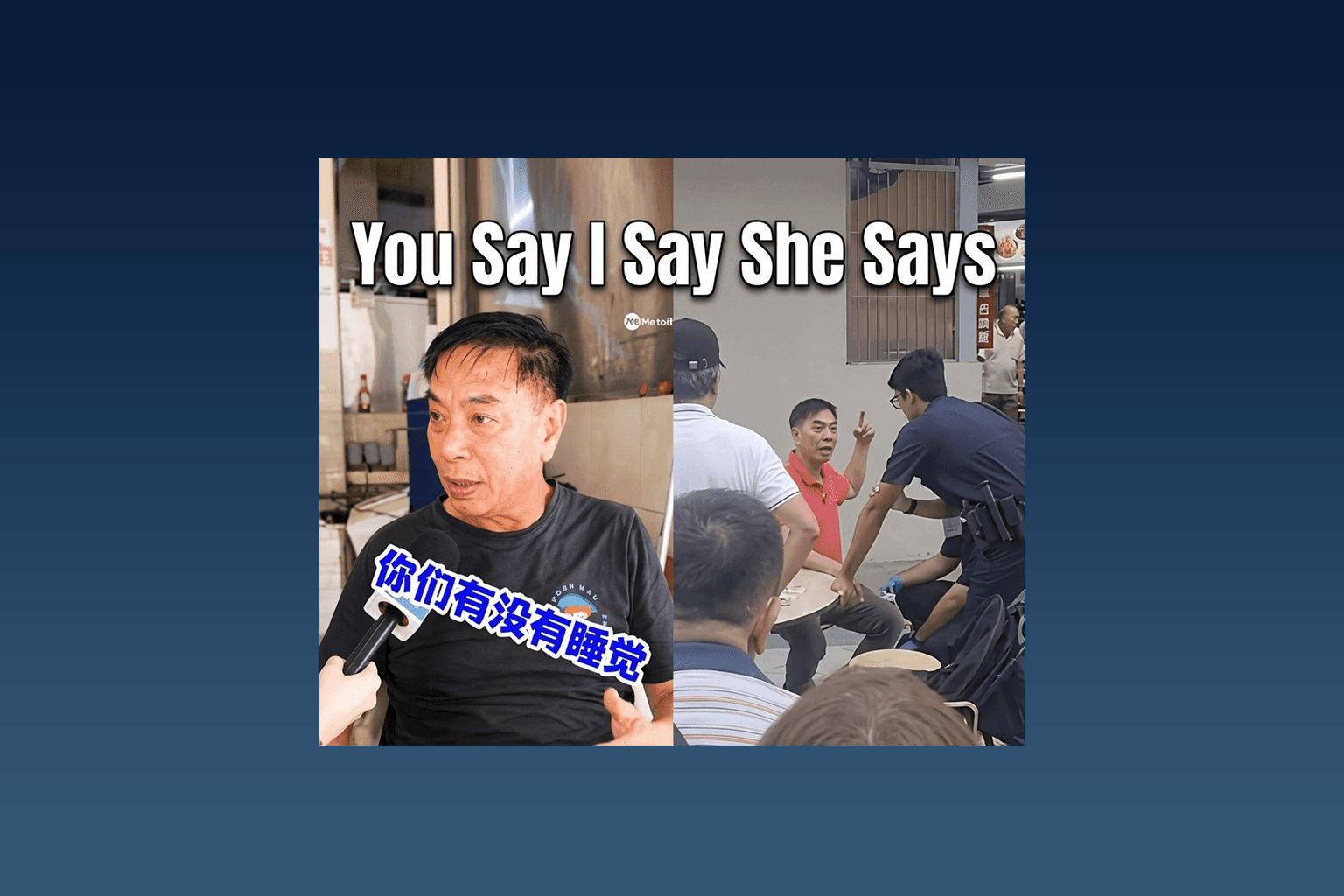
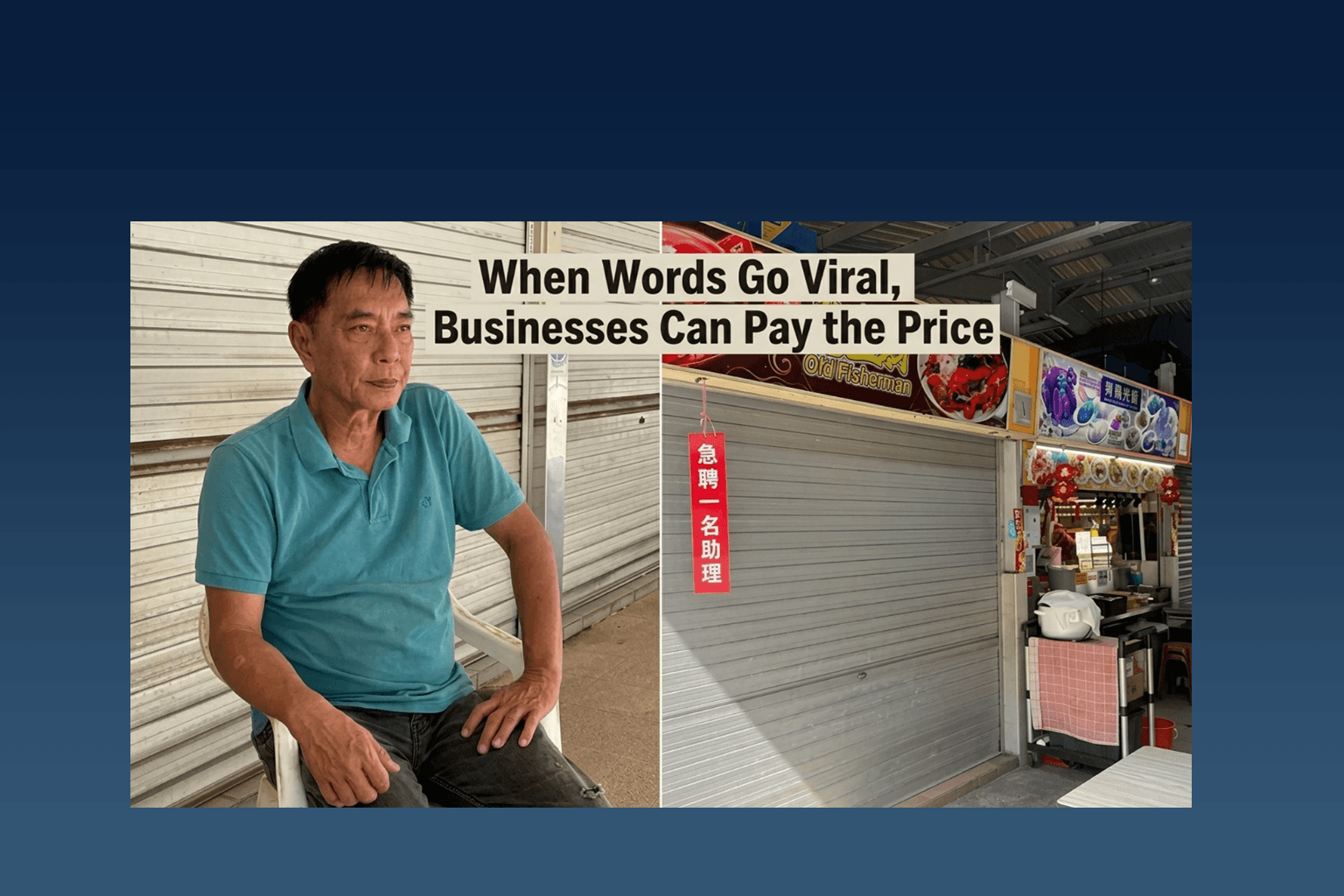
For online reputation, read Huang Yiliang hawker dispute online reviews and brand protection in Singapore
Future Challenge 8: AI Will Make Licensing More Complicated
Licensing agreements will need to address AI directly.
Businesses licensing content, software, brands or data should decide whether the licensee may:
Use licensed content to train AI models
Upload licensed materials into AI tools
Generate derivative outputs using AI
Sublicense AI-generated outputs
Use AI to create modified versions
Use licensed brand assets in AI-generated ads
Feed confidential materials into third-party AI platforms
Use AI-generated content in commercial campaigns
Licensing agreements should also address:
Ownership of AI-generated derivatives
Liability for infringing outputs
Audit rights
Confidentiality
Data restrictions
Commercial use
Territory
Sublicensing
Termination
Post-termination deletion
IPOS’ copyright resources include guidance on copyright protection, infringement and management for creators and businesses, showing that copyright management remains a practical business issue.
For licensing structures, read licensing agreements Singapore
Future Challenge 9: Trade Secrets and Confidential Data Will Be at Risk
Businesses may accidentally expose confidential information through AI tools.
Employees may upload:
Client documents
Contracts
Source code
Customer data
Business plans
Pricing models
Product roadmaps
Internal reports
Financial information
Legal documents
Training manuals
Proprietary workflows
Once confidential information is entered into third-party AI tools, the business may lose control depending on the platform’s terms and settings.
Future disputes may involve:
Breach of confidentiality
Trade secret misuse
Employee misuse of AI
Client data exposure
Contractor misuse of confidential information
Loss of competitive advantage
Internal policy breaches
The Ministry of Law’s 2026 guide for using generative AI in the legal sector specifically highlights copyright implications, potential infringement of third-party IP, and lack of clarity over ownership as issues to consider when using generative AI.
For businesses, this means AI policies are essential.
Future Challenge 10: Employment and Contractor Agreements Must Address AI
Employees, freelancers and agencies may use AI without telling the business.
This creates legal uncertainty.
Employment and contractor agreements should address:
Whether AI tools may be used
Whether AI use must be disclosed
Whether confidential information may be uploaded
Who owns AI-assisted output
Whether third-party materials may be used
Whether AI-generated work must be reviewed
Whether prompts and outputs must be stored
Whether clients must approve AI use
Whether the creator gives warranties
Who is liable for infringement
This matters for:
Marketing agencies
Design studios
Software developers
Copywriters
Video creators
Consultants
Training providers
Architects and designers
Product developers
Startups
For contract drafting, read business contracts Singapore guide
For employment issues, read employment law Singapore employee rights
Future Challenge 11: AI and IP Due Diligence Will Become Standard
Investors and buyers are likely to ask more AI-related IP questions during due diligence.
They may review:
Whether the company owns its AI-generated content
Whether AI was used in software development
Whether open-source or AI-generated code creates risk
Whether confidential data was entered into AI tools
Whether customer data was used for AI training
Whether AI-generated brand assets were trademark searched
Whether employee contracts address AI use
Whether agency deliverables contain AI outputs
Whether AI content can be commercialised
Whether any infringement complaints exist
A business with unclear AI and IP practices may face:
Lower valuation
Investor concerns
Delayed transactions
Warranty issues
Indemnity requests
Reduced buyer confidence
For startups, read legal requirements for startups in Singapore
For transactions, read mergers and acquisitions Singapore process
Future Challenge 12: Businesses May Need AI Disclosure Rules
Some industries and clients may require disclosure when AI is used.
This may apply to:
Legal services
Creative services
Marketing agencies
Education providers
Software development
Research reports
Design deliverables
Media production
Professional consulting
Regulated industries
Future contracts may require businesses to disclose:
Whether AI tools were used
Which tools were used
Whether client materials were uploaded
Whether outputs were human-reviewed
Whether AI-generated content is included in deliverables
Whether third-party IP risks were checked
Whether AI content can be reused
Businesses that proactively manage AI disclosure may appear more trustworthy to clients and investors.
Future Challenge 13: AI Will Create More Disputes Over Similarity
AI tools can generate large volumes of similar content quickly.
This may create disputes over:
Similar articles
Similar logos
Similar product names
Similar packaging
Similar characters
Similar advertising visuals
Similar software code
Similar website layouts
Similar social media content
Similar product designs
The legal challenge will be deciding when similarity becomes infringement.
Future disputes may turn on:
Substantial similarity
Consumer confusion
Human creative contribution
Independent creation
Prompt records
Dataset sources
Market harm
Evidence of copying
Commercial impact
For dispute strategy, read legal steps to resolve business disputes in Singapore
Future Challenge 14: AI Will Blur the Line Between Inspiration and Copying
Businesses often use AI for “inspiration”.
However, inspiration can become risky if the output is too close to protected work.
High-risk instructions include:
Make this look like a famous brand
Rewrite this article in different words
Create a character like this movie character
Design a logo like this competitor
Generate packaging similar to this brand
Create an ad in the same style as this campaign
Recreate this artist’s look
Produce a similar but not identical version
Businesses should train teams to avoid prompts that intentionally imitate protected works.
For copyright consequences, read copyright infringement penalties in Singapore
For fair use issues, read fair use Singapore explained
Future Challenge 15: AI Governance Will Become Part of IP Strategy
The future of AI and IP is not only about lawsuits. It is also about governance.
Businesses should prepare internal policies covering:
Approved AI tools
Prohibited AI uses
Confidential data restrictions
Client data restrictions
Copyright review
Trademark review
Human editing requirements
Prompt documentation
Output approval
AI use disclosure
Employee training
Vendor controls
Incident response
Record keeping
A business without AI governance may face higher IP, confidentiality and reputation risk.
For broader IP planning, read intellectual property trends Singapore
Practical AI and IP Checklist for Businesses
Before using AI-generated content commercially, check:
Is the AI tool approved for business use?
Do the platform terms allow commercial use?
Was confidential information uploaded?
Was copyrighted material uploaded?
Was the output reviewed by a human?
Does the output resemble existing works?
Does the output include famous characters or brands?
Was the output edited creatively?
Are prompts and drafts saved?
Is there evidence of human contribution?
Is the output being used as a key brand asset?
Was trademark availability checked?
Are contracts updated for AI use?
Are employees trained?
Is legal review needed for high-value use?
For a wider legal checklist, read business legal checklist Singapore
Common AI and IP Mistakes Businesses Should Avoid
Businesses should avoid:
Assuming AI output is automatically owned
Assuming AI output is automatically copyright-protected
Using AI-generated logos without trademark checks
Uploading client documents into AI tools
Uploading paid reports into AI tools
Asking AI to imitate famous brands or characters
Publishing raw AI content without review
Using AI images in ads without checking risks
Not documenting human edits
Not updating freelancer contracts
Not training staff on AI use
Treating overseas fair use cases as Singapore law
Ignoring platform terms
Using AI-generated content as core IP without review
For broader business legal risk, read common legal mistakes businesses make in Singapore
Why Work with Absolute IP
AI is changing how businesses create, use and protect intellectual property.
Absolute IP helps businesses with:
AI copyright risk review
AI-generated content advisory
Trademark searches and registration
Copyright advisory
Digital rights management
AI clauses in contracts
Licensing agreements
Employment and contractor IP clauses
Trade secret and confidentiality protection
IP dispute strategy
AI and IP due diligence
If your business uses AI tools for content, design, software, marketing or product development, contact Absolute IP at support@absoluteip.com for practical legal guidance.
Conclusion
AI and intellectual property will create major legal challenges for businesses in Singapore and internationally.
The future disputes will likely involve copyright ownership, AI training data, output infringement, trademark confusion, brand impersonation, licensing restrictions, trade secrets, employee AI use, contract liability and business due diligence.
Businesses should not wait for the law to become fully settled before acting. The practical approach is to create clear AI policies, review platform terms, document human creativity, update contracts, protect trademarks, avoid imitation-based prompts and seek legal advice before using AI-generated content for high-value commercial purposes.
AI can help businesses move faster, but without proper IP safeguards, it can also create legal risk faster.